Nicotine pouch strength: what milligrams really mean
Nicotine pouch labels can look precise until you try to compare them. One brand lists a number in milligrams, another uses a strength rating, and a third shows both. The pouch may be described as slim or mini, which adds another thing to think about. Understanding what the figures refer to makes the choice clearer, especially for adults looking at strong nicotine pouches and trying to judge how different products compare.
What the milligrams on a pouch label refer to
The milligram figure usually describes the amount of nicotine in one pouch. It is not a measure of how much nicotine enters the body. That distinction matters because a pouch can contain a stated amount of nicotine while the amount released depends on several other factors, including moisture, pouch material, how long it is kept in place, and the person using it.
Think of the number as a contents figure rather than a dose delivered in full. It tells you what is in the pouch before use. Nicotine release is the process that follows, and it is not identical for every product or every person. A label may show nicotine content per pouch, per gram, or both. When per pouch and per gram figures are both present, they can answer slightly different questions. Per pouch helps with comparing one unit with another. Per gram helps when pouch size changes, because a larger pouch may hold more material even if it feels similar in use.
This is why two products with the same headline number can feel different. One may use a smaller pouch with a higher concentration of nicotine in the filling. Another may use more material with a lower concentration. The amount in the pouch may match, but the way it is held, moistened and released can shape the experience.
Why strength ratings and milligrams are not the same thing
A strength rating is often a brand's own way of placing products in a range. It might use numbers, bars, dots, or terms such as light, medium, strong and extra strong. These labels can be useful inside one brand, where the scale is consistent. They are less reliable across brands, because one company's strong may sit close to another company's medium.
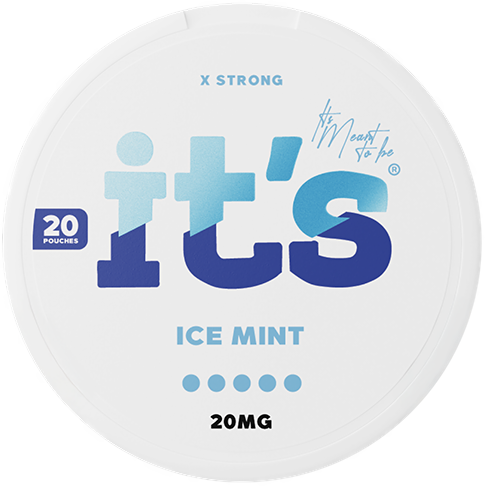
Milligrams give a more concrete point of comparison, but even then the comparison needs care. A product listed as 16 mg per pouch and one listed as 16 mg per gram are not saying the same thing. The first is a total amount per pouch. The second is a concentration. If the pouch sizes differ, the total nicotine content will differ too.
For a cleaner comparison, check what the number is attached to. Look for the unit, the pouch count, and whether the label says per pouch or per gram. If a product gives only a strength rating, the rating can still help when choosing within that brand, but it should not be treated as an exact substitute for a milligram figure.
Sites that organise products by strength and flavour, such as nicpouch.uk.com, make it easier to see where a product sits within a range. The label still deserves a read, though, because the useful detail is often in the small print: nicotine content, pouch format and the stated strength category.
How pouch size changes the picture
Pouch size is easy to overlook because the difference can look small. A slim pouch or mini pouch may feel less noticeable in use, yet its nicotine content depends on how much filling it holds and how concentrated that filling is. A smaller pouch is not automatically milder, and a larger pouch is not automatically stronger. The label decides that, not the shape.
Moisture also plays a part. A drier pouch may take longer to release nicotine, while a more moisture-rich one may feel more immediate. Flavouring and the pouch material can influence the pace as well. That is why milligrams are a starting point, not a complete prediction of sensation. They set the amount available in the pouch. Nicotine release describes how that amount becomes noticeable during use.
Time in place matters too. Keeping a pouch in longer does not mean every milligram is absorbed, but it can change the overall experience. Moving the pouch around the mouth may also change how it feels. None of this turns the label into a guarantee. It simply explains why the same milligram figure can produce different impressions across products.
What strong nicotine pouches means in practice
The phrase strong nicotine pouches is used broadly. It can refer to a high milligram figure per pouch, a high concentration per gram, or a brand's top strength tier. In some cases all three line up. In others, the word strong mostly reflects how the product is positioned within a brand's range.
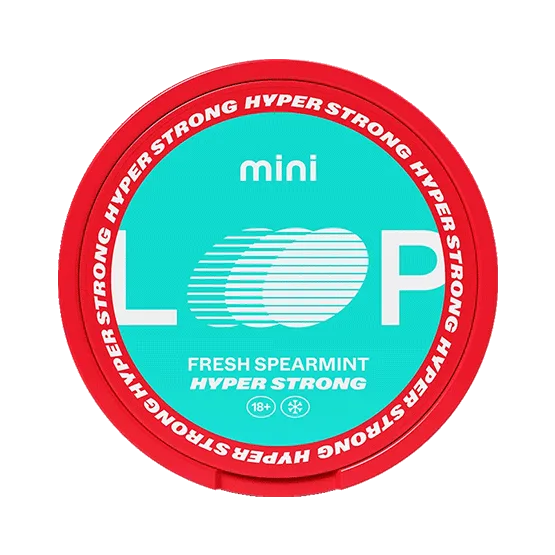
For adults comparing products, the practical approach is to read past the front label. A product with a familiar strength descriptor may still have a different nicotine content from one that sounds similar. Checking the milligram figure alongside pouch size gives a better view. If one product is 10 mg per pouch and another is 20 mg per pouch, the second contains twice the stated nicotine per pouch, even if both brands place them in a similar strength band.
Tolerance adds another layer. A person who regularly uses nicotine may respond differently from someone who uses it occasionally. Tolerance can affect how strong a pouch feels and how noticeable the effects are. It is not a fixed trait, and it can change over time. This makes personal response an unreliable way to compare labels, but an important reason to read them carefully before choosing.
There is also a difference between a product feeling strong and being suitable. Stronger options may be more appealing to adults who already know how they respond to nicotine. For someone unfamiliar with the format, a high number on the label can be misleading if it is treated as a simple measure of quality or flavour intensity. Strength and flavour are separate parts of the product, even though brands often present them together.
Reading a label without overcomplicating it
A useful label check can be simple. Start with the nicotine content and identify whether it is per pouch or per gram. Then note the pouch size, especially if the choice includes slim pouch or mini pouch options. After that, look at the strength rating as a brand-specific guide rather than a universal measurement.
- Find the nicotine content and the unit it uses.
- Check whether the figure is per pouch or per gram.
- Compare pouch size before judging two products as equal.
- Treat strength ratings as useful mainly within one brand.
That routine keeps the numbers in context. It also prevents a common mistake: assuming that a higher milligram figure always means a stronger experience in the mouth. Nicotine release, pouch size and tolerance can all change how a product feels. The label is still the best starting point because it gives the most direct information about what is in each pouch.
Keeping the comparison fair
When comparing strong nicotine pouches, fairness comes from comparing like with like. Use per pouch figures against per pouch figures. Use per gram figures against per gram figures. If one brand gives only a strength rating and another gives milligrams, avoid treating the two as exact equivalents. A rating can point you toward the upper end of a range, but it does not replace a stated amount.
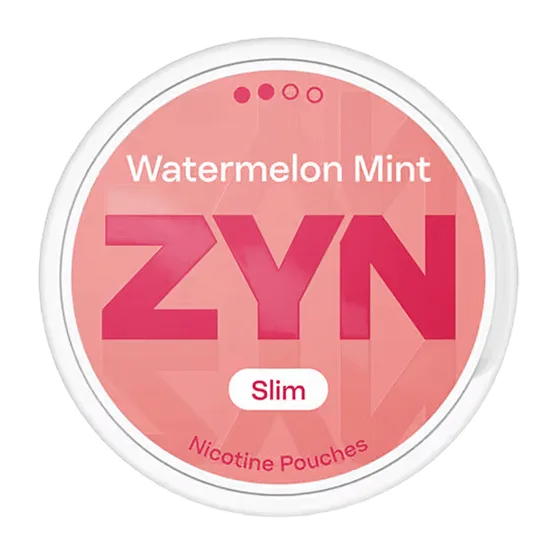
It also helps to separate nicotine content from flavour. A mint, citrus or berry pouch may taste sharp or cooling without being stronger in nicotine terms. Flavour can shape the impression of strength, especially when a cooling sensation feels intense. The milligram figure remains the reference point for nicotine content.
Adult shoppers can use the same approach on any product range, including one organised by strength and flavour across more than 30 brands. The breadth of choice makes clear labels more useful, not less. More options mean more ways to arrange the same basic facts, and those facts are what allow a calm comparison.
Nicotine pouches are not medicines, and label terms are not universal standards. The safest reading habit is to take each product on its own details. Milligrams tell you how much nicotine is in a pouch. Strength ratings tell you where a brand places it. Pouch size, nicotine release and tolerance help explain the gap between the number on the tin and the experience of using it. Together, those details turn a confusing label into a practical choice for adults who already use nicotine products.